
The expression “marriages are made in heaven” has two primary meanings: God decides who we marry, and that marriage is a sacred and eternal bond. This reflects the views of many people who see marriage as a holy combination of two people, and it also reflects the idea that certain things seem perfect together. Thus, “a match made in heaven” refers to an ideal couple or an ideal combination of things, and it has its roots in the belief that divine forces orchestrated them to meet and find each other.
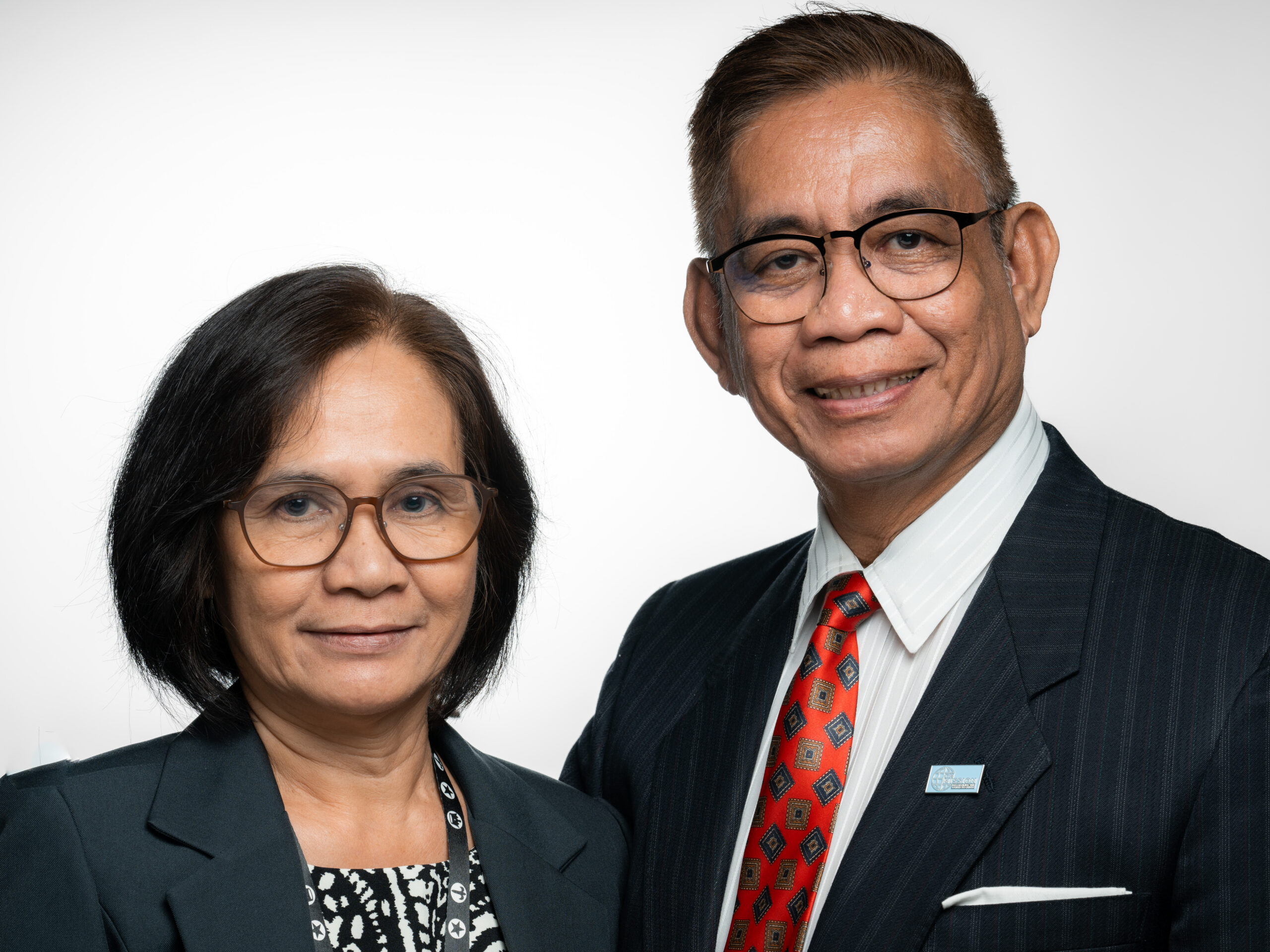
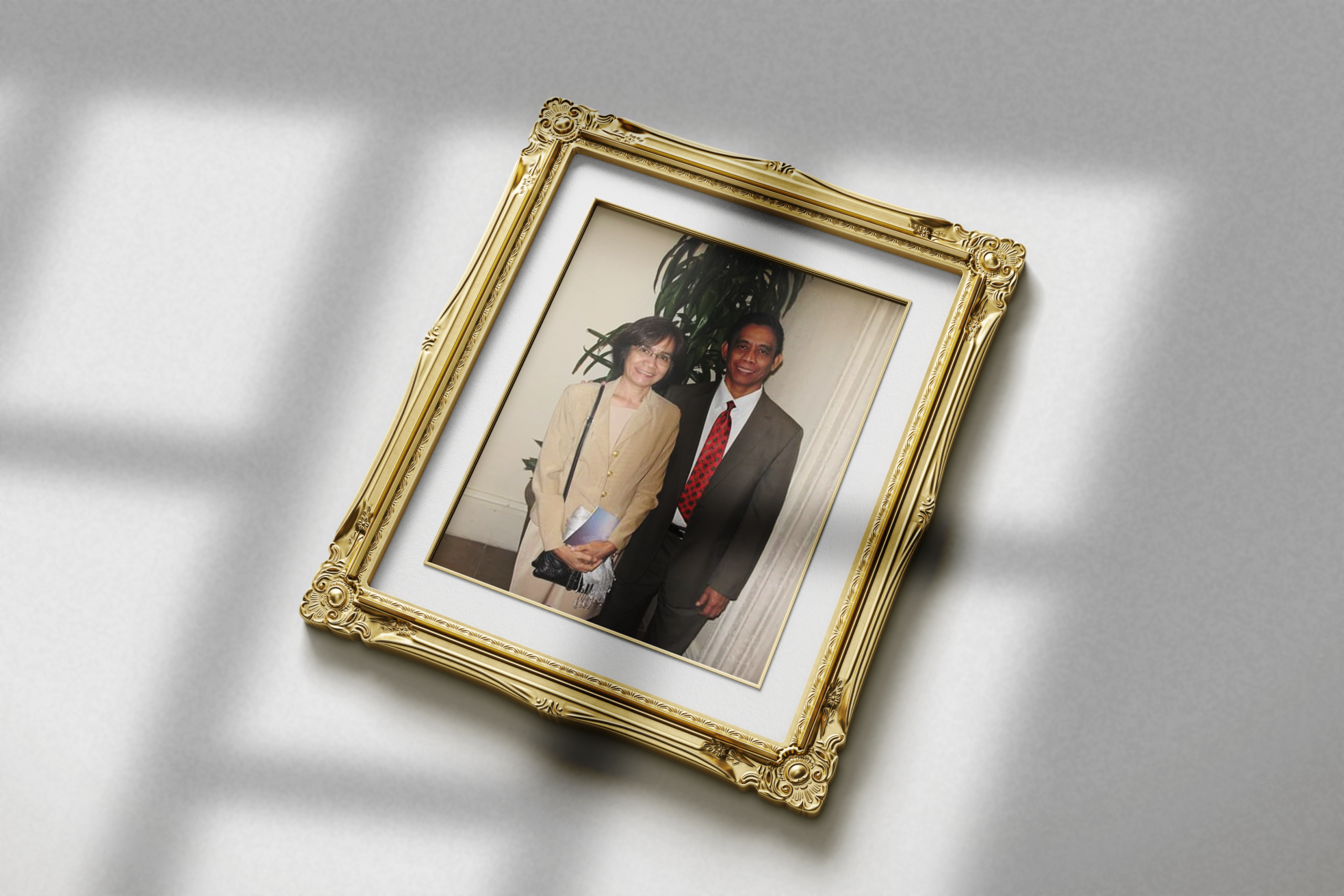
My marriage to the then Miss Flordeliza Prado Reyes is definitely known by God in His sovereignty. As we acknowledge God in all our ways, He directs our paths, including our decision to marry. It may not be a perfect marriage without challenges, but God will always direct our paths to yield a biblical, lasting, and joyful kind of marriage.
I met Flor, as we fondly call her, at church when we were still in high school. She lived in Marikina City, while I was in Olongapo City, a distance of 175 kilometers. Every summer vacation, I had the opportunity to visit Marikina City, where I could attend church and had the chance to see my future wife. During my college days, I moved to Marikina City, where my interest in Flor blossomed and became a real attraction. We became boyfriend and girlfriend while in college, but we had to hide the relationship from her strict father. He advised her to finish her schooling first, get a decent accounting job, help the family, and love later. I guess I was a persistent suitor, so after seven years of engagement, we finally decided to tie the knot. We were married on December 16, 1989. This year, we will be celebrating our 37th wedding anniversary.
I was already active in church ministry when we got married. The Lord blessed our marriage with two girls and a boy. I was appointed as the National Overseer of the Church of God of Prophecy in the Philippines in 1992, the year we had our first daughter. Our marriage became a ministry partnership. Flor has been involved in church finance, administration, and children’s ministry ever since; those are her strengths and areas of giftedness. I was involved in the ministry most of the time, but spending time with the family has been a rule within our marriage. I have seen ministers who prioritized ministry over their family, believing they were glorifying God in doing so. As a result, many of them suffered failed marriages or developed dysfunctional families as their kids grew up.
Isaac modeled for us a good example of what our priorities should be in life. Genesis 26:25 (NIV) records, “Isaac built an altar there and called on the name of the Lord. There he pitched his tent, and there his servants dug a well.” When Isaac moved to Beersheba, a pattern of priorities was evident in his family life. First, he built an altar and called on the name of the Lord. His first priority was God and the worship of Him. Secondly, Isaac pitched his tent, established his home and family, making family his next priority. Then, his servants dug a well, which was his work or ministry that God had called him to do. That was his last priority. God, family, and work/ministry—correctly ordered—are key to maintaining proper God-honoring priorities in life. When this order is mixed up, problems will soon arise. Good time management is a very important factor in making good use of prioritizing.
The principle for the Christian family, as Paul instructed the church at Ephesus, is crucial for establishing a family that will last and be joyful:
Submit to one another out of reverence for Christ.
Wives, submit yourselves to your own husbands as you do to the Lord. For the husband is the head of the wife as Christ is the head of the church, his body, of which he is the Savior. Now, as the church submits to Christ, so also wives should submit to their husbands in everything.
Husbands, love your wives, just as Christ loved the church and gave himself up for her to make her holy, cleansing her by the washing with water through the word, and to present her to himself as a radiant church, without stain or wrinkle or any other blemish, but holy and blameless. In this same way, husbands ought to love their wives as their own bodies. He who loves his wife loves himself. After all, no one ever hated their own body, but they feed and care for their body, just as Christ does the church—for we are members of his body. “For this reason a man will leave his father and mother and be united to his wife, and the two will become one flesh.” This is a profound mystery—but I am talking about Christ and the church. However, each one of you also must love his wife as he loves himself, and the wife must respect her husband. (Ephesians 5:21–33 NIV)
Submitting to one another out of reverence for Christ is the overarching principle. If husbands and wives practice mutual submission, the wives submitting to their husbands and the husbands loving their wives, the result is a harmonious relationship. My wife, Flor, was asked several times, “What is the secret of a lasting and joyful relationship?” Her reply was “understanding and patience.” She would usually follow this up with a disclaimer that there is no perfect relationship. Marriage will be tested by situations that can destroy or strengthen it, once the clouds have settled. If you are understanding and patient, you learn how not to overreact. Overreacting often makes forgiveness a struggle. Your patience, on the other hand, gives your partner a chance to be a better person next time.
Besides the biblical understanding of marriage, Filipino cultural factors contribute to a lasting, joyful relationship.
A joyful Christian marriage for Filipino couples is basically about faith, family, and faithful love. Of course, all marriages have some problems or difficulties, but the Filipino culture, combined with Christian values, undoubtedly provides a very strong foundation for a happy and joyful union.
1. Christ at the Center
When you speak of Christian Filipino couples, a great source of their joy is found in God when He is the center of the marriage. Besides making decisions together by asking God for His guidance, couples also grow spiritually and emotionally through prayer, going to church, and worshiping together. Ecclesiastes 4:12 states, “A cord of three strands is not quickly broken.”
2. Commitment Beyond Feelings
Here, in the Philippine setting, a marriage is definitely more than just a personal choice; it is a solemn and sacred covenant meant to last forever. A joy that lasts comes from the firm decision to be faithful even in the most difficult times. The extent of love is shown not only in the romance but also through sacrifice, patience, and perseverance.
3. Pamilya Muna (Strong Family Values)
The Filipino couples are here to tell you that they cherish the closeness of their families. When couples honor and respect their parents, elders, and relatives, their marriages will be even stronger. However, to be most effective, this must be combined with setting proper limits. Couples will enjoy harmony, peace, and support rather than conflict if they decide to be one and, at the same time, respect the family.
4. May Paggalang (Open Communication with Respect)
The house of happiness for a man and a woman also grows through straightforward, sincere communication seasoned with gentleness. Filipino culture values slightly different things, such as pakikipagkapwa (shared humanity) and paggalang (respect). Listening with humility and speaking with kindness helps prevent misunderstandings and heals wounds.
5. Forgiveness and Mercy
A Christian marriage is a place of forgiveness, at least as far as the marriage is concerned. Having considered the fact that Filipino couples are no exception in experiencing insecurity or problems—such as money issues, not seeing each other because of work, or having to make personal sacrifices—there are times they have to tolerate each other to some extent. As far as pain is concerned, choosing to forgive is a way to express God’s love and to give yourself permission to be happy again.
6. Shared Responsibility and Bayanihan Spirit
Togetherness in marriage means sharing and caring. Bayanihan is a term that comes from the Filipino spirit of communal unity and cooperation to achieve a particular goal. Naturally, joy will be the result when a husband and a wife follow the principle of bayanihan—helping and carrying each other’s burdens of life. It is a healthy and productive relationship when two people in a marriage co-parent, work, and take care of their home together.
7. Gratitude and Simple Joys
People often say that the little things are what really matter or make the biggest difference. Filipino couples, too, often connect their happiness to such trifles as the whole family gathered around the table for a meal, bursts of laughter, praying together, or simply spending time together. Being thankful to God for both the good and the bad is what really sustains and nurtures contentment and lasting joy.
In Summary
The road to a happy Christian marriage for Filipino couples (as well as others) will have its fair share of ups and downs, yet it will be deeply marked by faith, love, sacrifice, and hope. If couples lean on God, respect and love one another, and live out Filipino values inspired and guided by Christian teachings, they will be able to build a marriage that is not only durable but also very joyful.