

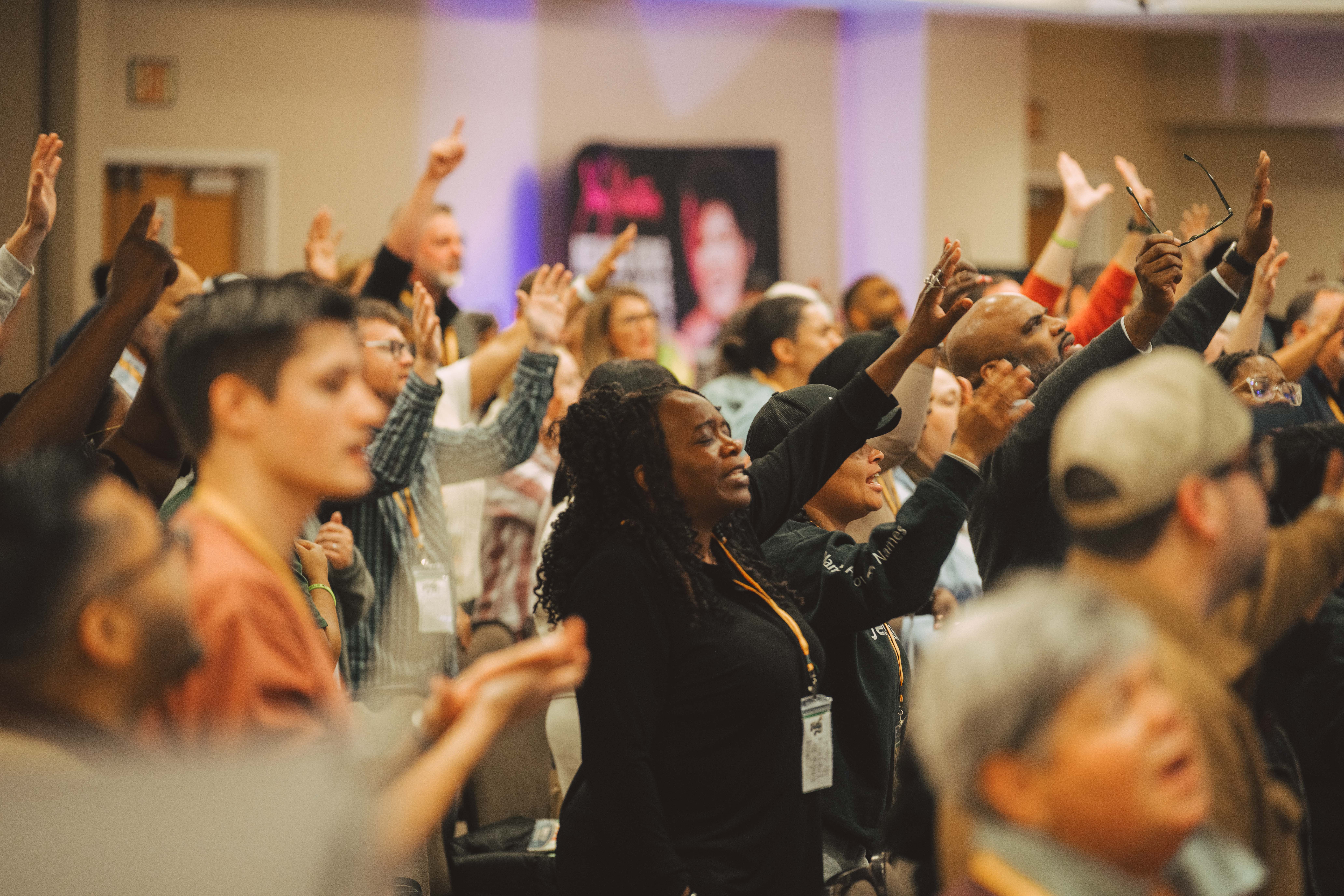
When the disciples approached Jesus with the request “Lord, teach us to pray,” they were not novices to prayer. These were Jewish men familiar with prayer, psalms, and sacred rhythms. Their request was perhaps more an admission of holy dissatisfaction than a request for a new “prayer formula.” Something about the way Jesus prayed revealed a dimension they had not yet experienced.
When we pray “Lord, teach us to pray,” we confess that we, too, need change. We recognize that our current patterns of prayer—however sincere—may need to be deepened, refined, or renewed if we are to participate more fully in God’s redemptive mission to reconcile the world to Himself. This simple request signals a readiness for spiritual growth.
Leadership expert John C. Maxwell identifies four primary reasons people change:
- They hurt enough that they have to.
- They see enough that they are inspired to.
- They learn enough that they want to.
- They receive enough that they are able to.
These four dynamics offer a helpful framework as we consider what it means for the church today to say once again, “Teach us to pray.”
1. We Hurt Enough that We Have To
It has been my personal experience that pain often serves as the catalyst that draws me back to my knees. In seasons of trial, uncertainty, or loss, the superficial layers of our prayer life are stripped away. We pray differently when we are hurting; our desperation becomes a doorway to deeper dependence.
The world in which we live is marked by suffering, injustice, and spiritual darkness. Our own congregations carry wounds—broken families, prodigal children, weary pastors, and the weight of a culture rapidly moving further from God. These realities should hurt us enough that we return to prayer with fresh urgency. Pain becomes the invitation to pray beyond routine and into the heart of God.
2. We See Enough that We Are Inspired To
The disciples saw Jesus pray. They heard His tone, noticed His intimacy with the Father, and watched the authority that flowed from His communion with God. That vision inspired change in them.
I believe God is giving His church fresh glimpses of what prayer can accomplish—not only in Scripture, but through modern testimonies of revival, healing, and supernatural breakthrough. When we see what prayer can be, we cannot remain satisfied with what prayer has been.
3. We Learn Enough that We Want To
“Teach us to pray” is a statement of desire. Spiritual hunger grows as we discover what Jesus intends prayer to accomplish in us and through us. We learn that prayer is not persuading God to join our agenda but aligning ourselves with His.
We learn that prayer is relational before it is functional. It shapes us, corrects us, strengthens us, and positions us to be used by God.
As we learn the possibilities of Spirit-empowered intercession, we begin to want a deeper life of prayer. Knowledge stirs desire, and desire fuels transformation in how we pray.
4. We Receive Enough that We Are Able To
Finally, God Himself enables us to pray. The Holy Spirit intercedes through us with groanings too deep for words. He strengthens our weakness, enlarges our capacity, and empowers our witness.
When the church receives fresh anointing, prayer becomes a joy, not a burden; a delight, not a duty. We can pray effectively because the Spirit empowers us to pray with Jesus Himself, who “ever liveth to make intercession” for us (Hebrews 7:25).
If ever there was a moment when the Church of God of Prophecy must echo the disciples’ request, it is now. We need the Lord to teach us to pray again—personally, corporately, fervently, and globally. Our mission of reconciling the world to Christ through the power of the Holy Spirit cannot be accomplished by human strength alone. The harvest is too great, the opposition too strong, and the calling too sacred.
May the Lord hear our united cry: “Teach us to pray.”